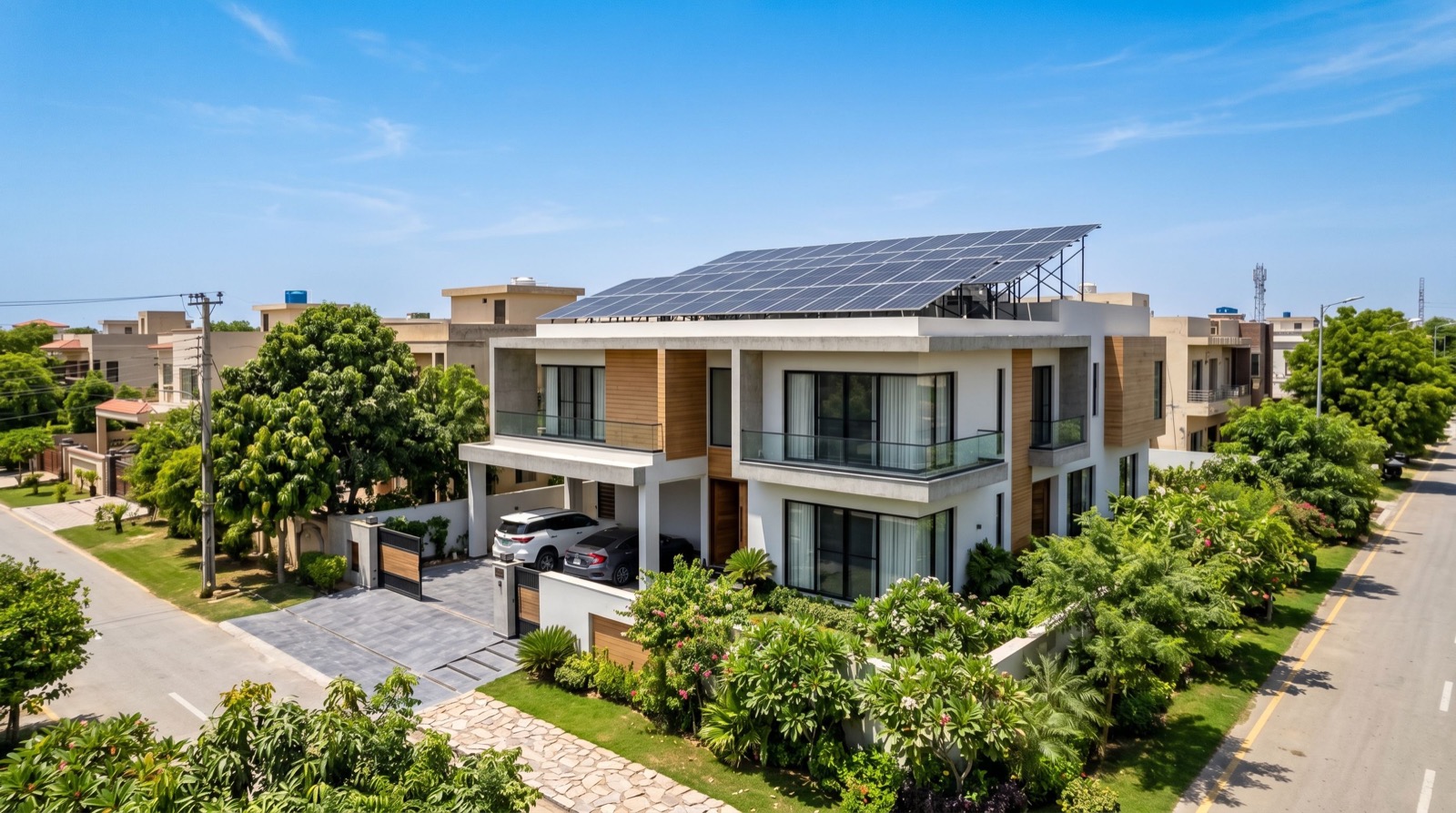
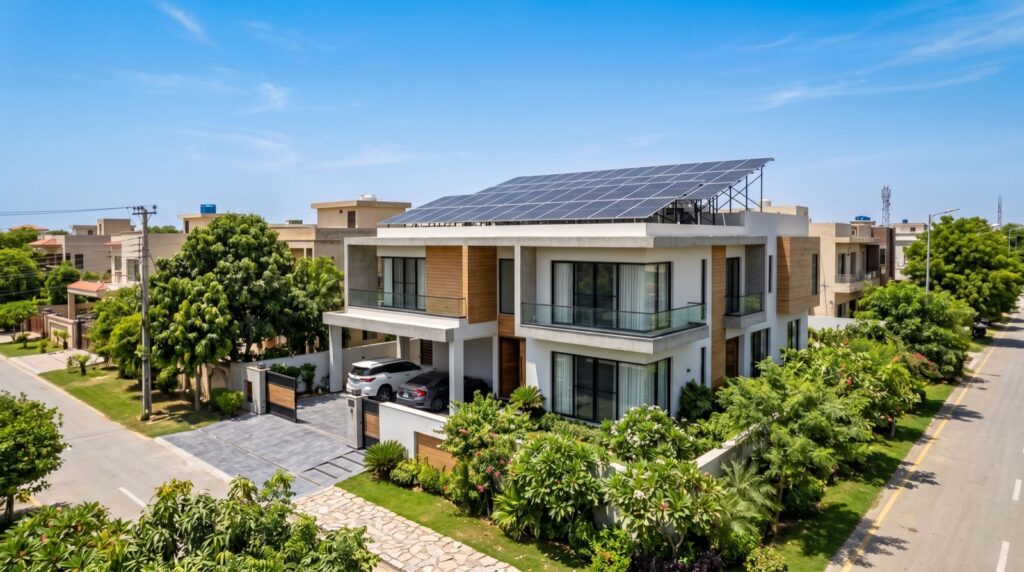
Buy Solar Panels in Pakistan: 7 Smart Tips for Homes and Small Businesses in 2026
When you buy solar panels in Pakistan, you are not just buying glass and silicon. You are locking in your electricity cost for the next 25 years. With grid tariffs climbing again in 2026, both homeowners and small business owners are racing to go solar, and many are making expensive mistakes because they shop on price alone. This guide gives you seven practical tips to buy smart and avoid the traps.
Our team fits panels on rooftops, warehouses, and shopfronts across the twin cities, so these tips reflect what actually performs in Pakistani heat and dust. If you are based in the capital and want expert help, a trusted solar company in Islamabad can survey your roof and design a system that fits your load and budget.
Why 2026 Is the Year to Buy Solar Panels in Pakistan
Panel prices per watt have fallen sharply over the last three years while efficiency has climbed. At the same time, net metering rules let you export surplus daytime power back to the grid and cut your bill even further. That combination shortens payback periods to a level most families and shopkeepers now find hard to ignore.
For businesses, the case is even stronger. Daytime operations line up perfectly with peak solar generation, so a shop, salon, or small factory can offset a huge chunk of its consumption exactly when the sun is strongest.
What Is Driving Solar Adoption This Year?
Three forces are pushing adoption: rising tariffs, cheaper high-efficiency modules, and better financing options from local vendors. Add the reliability benefit during load-shedding, and solar has shifted from a luxury to a mainstream utility upgrade.
Tip 1: Choose the Right Panel Technology
Monocrystalline panels dominate the 2026 market for good reason. They deliver higher efficiency in a smaller footprint, which matters on compact urban rooftops. Polycrystalline panels are cheaper but need more space for the same output.
- Monocrystalline: Highest efficiency, best for small roofs, slightly higher cost.
- Polycrystalline: Lower cost, needs more area, good for open rural roofs.
- Bifacial: Captures reflected light from both sides, excellent on white or reflective rooftops.
Tip 2: Match Wattage to Your Real Load
Do not guess. Pull out three of your recent electricity bills, note your monthly units consumed, and size the array to cover the share you want to offset. A common home target in 2026 is a 5kW to 10kW system, while small businesses often need 15kW or more.
Rough System Sizing Guide
| Monthly Units (kWh) | Suggested System Size | Typical User |
|---|---|---|
| 300 to 500 | 3kW to 5kW | Small home |
| 500 to 900 | 5kW to 8kW | Family home with AC |
| 900 to 1500 | 10kW to 15kW | Large home or shop |
| 1500+ | 15kW and above | Small business or factory |
Tip 3: Verify the Tier and the Warranty
Stick to Tier-1 manufacturers with a 25-year performance warranty and at least a 12-year product warranty. A genuine panel should still produce roughly 85 percent of its rated output after 25 years. For independent context on how panels degrade and perform over time, the National Renewable Energy Laboratory publishes module reliability research that is worth reviewing before you commit.
Tip 4: Do Not Ignore Net Metering
Net metering is the fastest way to improve your payback. It lets you feed surplus daytime generation into the grid and draw it back at night, effectively using the grid as a free battery. Ask your installer to handle the application and the bidirectional meter so you are not left with unused excess power.
Tip 5: Plan Your Roof and Shading First
Even one shaded panel can drag down a whole string. Before you buy, check for water tanks, parapet walls, and neighbouring buildings that cast shadows at different times of day. South-facing panels tilted at roughly your local latitude capture the most annual energy.
Quick Pre-Purchase Roof Checklist
- Confirm the roof can bear the mounting load.
- Identify shading sources across morning, noon, and evening.
- Ensure a clear cable route to the inverter location.
- Leave walkway space for future cleaning and maintenance.
Tip 6: Buy from Verified Sellers
The market is flooded with relabelled and used panels sold as new. Buy only from vendors who provide genuine serial numbers, flash-test reports, and a valid warranty you can actually claim. You can browse authentic modules and buy solar panels in Pakistan with clear specifications rather than gambling on grey-market stock. It also pays to compare several quality service providers before you sign anything.
Tip 7: Budget for the Whole System, Not Just Panels
Panels are only about half the cost. Factor in the inverter, mounting structure, cabling, protection devices, and installation labour. A cheap panel paired with weak balance-of-system components will underperform and fail early.
Maintenance and What to Expect After Installation
Solar panels are famously low maintenance, but a little care protects your output. Dust and pollution build up on the glass in Pakistani cities and can cut generation noticeably if ignored. A gentle rinse every few weeks in the dry season keeps performance high.
Beyond cleaning, the main job is monitoring. Most inverters in 2026 come with a phone app that shows daily generation, so you can spot a shaded or failing panel quickly. If your numbers drop without an obvious weather reason, call your installer for a check.
Set the right expectations from day one. Generation naturally dips on cloudy days and in winter, then peaks in the long summer days. Over a full year the averages even out, which is exactly why sizing against your annual bill matters more than any single day’s reading.
Frequently Asked Questions
How much does it cost to buy solar panels in Pakistan in 2026?
A complete 5kW residential system typically ranges based on brand and components, with panels making up roughly half the total. Always ask for an itemised quote that separates panels, inverter, structure, and installation so you can compare offers fairly.
How many solar panels do I need for a house?
A 5kW system usually needs around 9 to 11 panels of 550W each. The exact count depends on panel wattage, roof space, and how much of your bill you want to offset.
Do solar panels work during load-shedding?
On-grid panels shut off during an outage for safety, but a hybrid or off-grid system with batteries keeps your essentials running. If backup matters, plan for battery storage from the start.
How long before solar pays for itself?
With net metering and 2026 tariffs, many homes and small businesses reach payback within a few years, after which the electricity is effectively free for the remaining panel life of 25 years or more.
Final Thoughts
The smartest way to buy solar panels in Pakistan is to start with your real electricity usage, insist on Tier-1 quality, and treat the inverter and accessories as part of the investment rather than an afterthought. Work with a reputable solar company in Islamabad, apply for net metering early, and you will lock in lower bills for decades. Get an itemised quote today and take the first step toward energy independence.