Most budgets don’t fail because of math. They fail because of friction — the spreadsheet you forgot to update, the receipts you meant to log, the category system so elaborate that maintaining it became a part-time job. By the third week, the numbers no longer reflect reality, and the whole exercise quietly gets abandoned until the next financial scare prompts a fresh start.
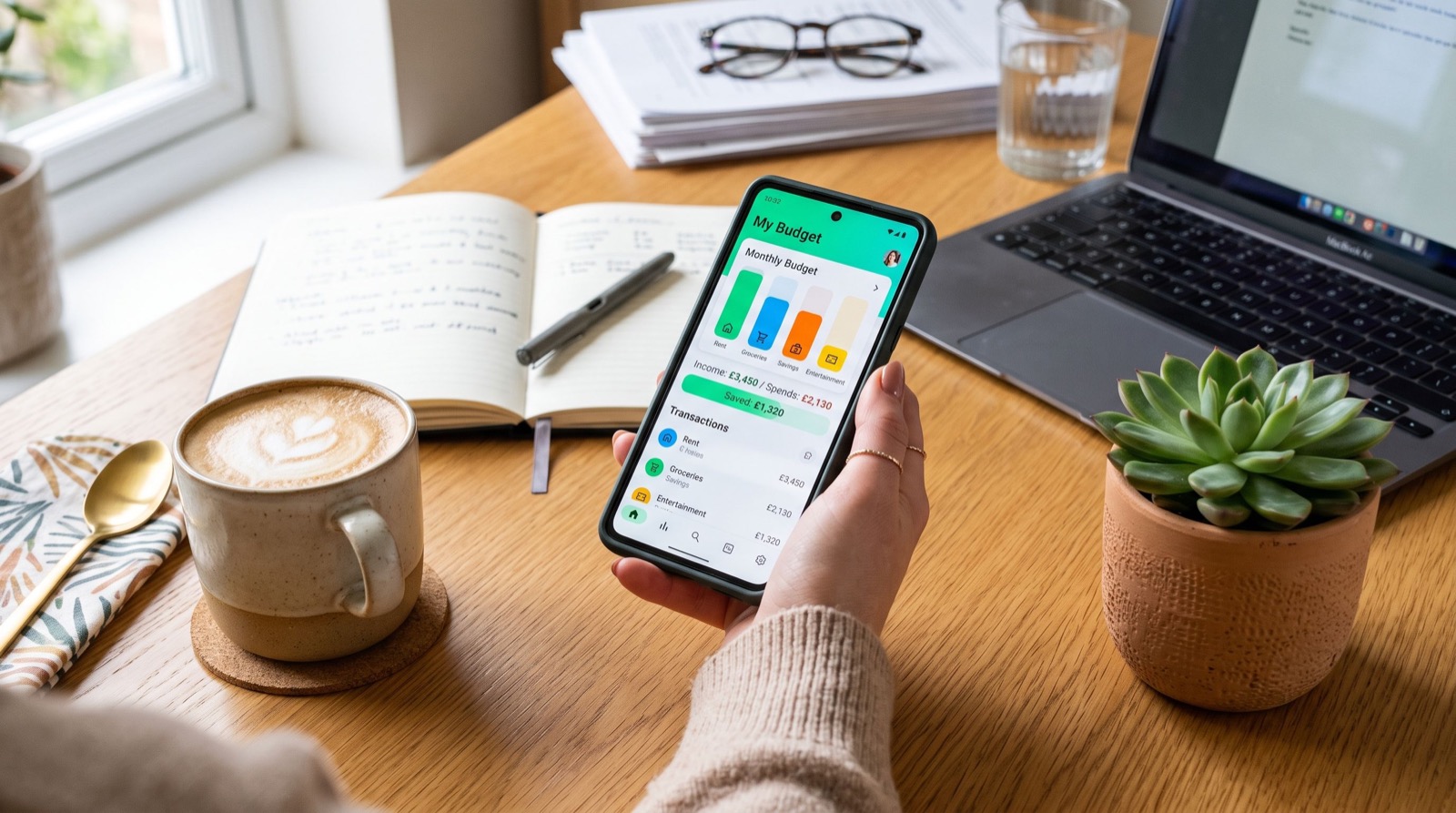
Smartphone budgeting has changed that equation in a way paper and spreadsheets never could, because the tracking happens whether or not you feel motivated. Transactions sync automatically, categories fill themselves in, and your phone can tell you at the grocery store checkout — not at the end of the month — whether this basket fits the plan. This article lays out a practical system for turning that automation into a budget you’ll actually still be running a year from now.
Start With a Snapshot, Not a Plan
The classic mistake is designing an aspirational budget on day one: $200 for dining out, $50 for subscriptions, numbers pulled from optimism rather than evidence. Instead, spend your first month doing nothing but observing. Connect your accounts to a budgeting tool, let it pull in ninety days of history, and simply read the story your transactions tell. Most people discover two or three “silent” categories — delivery fees, forgotten free trials that converted, small recurring app charges — that consume more than any line item they were worried about. A budget built on your actual behavior needs far fewer painful adjustments than one built on who you wish you were.
Give Every Dollar One Job
Once you know your real spending, the framework that translates best to apps is zero-based budgeting: income minus assigned dollars equals zero. Every dollar that arrives gets a job — rent, groceries, debt payment, savings, or guilt-free fun — before the month begins. Digital envelopes make this tangible. When the “dining out” envelope shows $23 remaining, the decision at the restaurant makes itself; there’s no vague sense of “I’ve probably spent too much,” just a number. Apps enforce this far better than willpower does, because the envelope balance is two taps away at the exact moment of temptation.
Choose Tools That Match Your Personality
Budgeting software is not one-size-fits-all, and picking the wrong style is a common reason people quit. Hands-on planners tend to thrive with envelope-style apps that demand weekly check-ins, while people who resent any manual work do better with passive trackers that surface alerts only when something drifts. Reviews of different money apps can save you weeks of trial and error here, since they compare how each option handles account syncing, shared budgets for couples, and whether the free tier is genuinely usable or just a funnel to a subscription. The best app is the one whose maintenance burden you’ll tolerate indefinitely — a mediocre tool you check daily beats a brilliant one you open twice.
Automate the Boring Middle Layer
The strongest budgets minimize the number of decisions you make per month. Set your fixed bills to autopay from one checking account, schedule an automatic transfer to savings the morning after each payday, and route spending money to a separate card. This “waterfall” means your only active budgeting job is managing the discretionary layer — everything else runs itself. Payment platforms play a role here too: many people now receive side-income through peer-to-peer apps, and a solid Cash App guide will show you how to sweep those balances into your main accounts on a schedule instead of letting untracked money accumulate in a wallet your budget never sees.
Review Weekly, Adjust Monthly
Automation handles the recording; you still have to do the thinking, and the cadence matters. A five-minute weekly review — ideally the same day and time, coffee in hand — is enough to recategorize the handful of transactions the app guessed wrong and notice any envelope trending toward empty. Save structural changes for a monthly session: raising the grocery allocation because prices climbed, retiring a category you never use, redirecting a paid-off debt payment toward savings. Weekly for awareness, monthly for architecture. Budgets that get adjusted mid-week in reaction to every overspend tend to become chaotic; budgets never adjusted at all become fiction.
Budget for Irregular Expenses Before They Ambush You
Car registration, annual insurance premiums, holiday gifts, the vet bill — these are not emergencies, they are predictable irregulars, and they destroy more budgets than lattes ever will. Create sinking funds: divide each annual cost by twelve and drip that amount into a dedicated digital envelope every month. When the $600 insurance bill lands, the money is already sitting there, and your monthly plan doesn’t even flinch. The same logic applies to major household projects. Families planning big-ticket upgrades — from a kitchen renovation to installing solar panels with trusted professionals — do far better funding them through months of deliberate sinking-fund contributions than through a panicked credit card swipe when the quote arrives.
Track Progress You Can Feel, Not Just Numbers
Sustainable budgeting needs a payoff your brain registers. Most apps offer net-worth graphs, debt payoff meters, or savings-goal thermometers — pick one and make it your scoreboard. Watching a credit card balance chart bend downward month after month provides the motivational fuel that raw transaction lists never will. Some couples make the weekly review a shared ritual with a visible goal (the vacation fund at 64%), which converts budgeting from private drudgery into a team sport. Whatever metric you choose, the point is the same: give the discipline a visible reward loop, because streaks sustain habits long after novelty wears off.
Key Takeaways
- Observe a full month of real spending before assigning any budget numbers.
- Use zero-based digital envelopes so every dollar has a job before the month starts.
- Match the app to your temperament — hands-on envelopes or passive alerts, not both.
- Automate fixed bills and savings transfers so only discretionary spending needs decisions.
- Run five-minute weekly reviews and reserve structural changes for a monthly session.
- Fund predictable irregulars through sinking funds instead of treating them as emergencies.
Conclusion
A budget is not a punishment or a diet; it’s an information system, and the quality of a system is measured by whether it keeps running when you’re tired, busy, or uninterested. That is precisely what app-based budgeting offers over every method that came before it — the machinery keeps recording and alerting even during the weeks your motivation goes missing, so a lapse becomes a snag rather than a collapse.
Start smaller than feels productive: one observation month, one envelope system, one weekly check-in on the calendar. Resist the urge to build twenty-five categories and track every cent, because complexity is what killed your last budget. Let the software carry the clerical weight, keep your own attention on the handful of decisions that actually move money, and twelve months from now you’ll have something rare — a budget with a birthday.